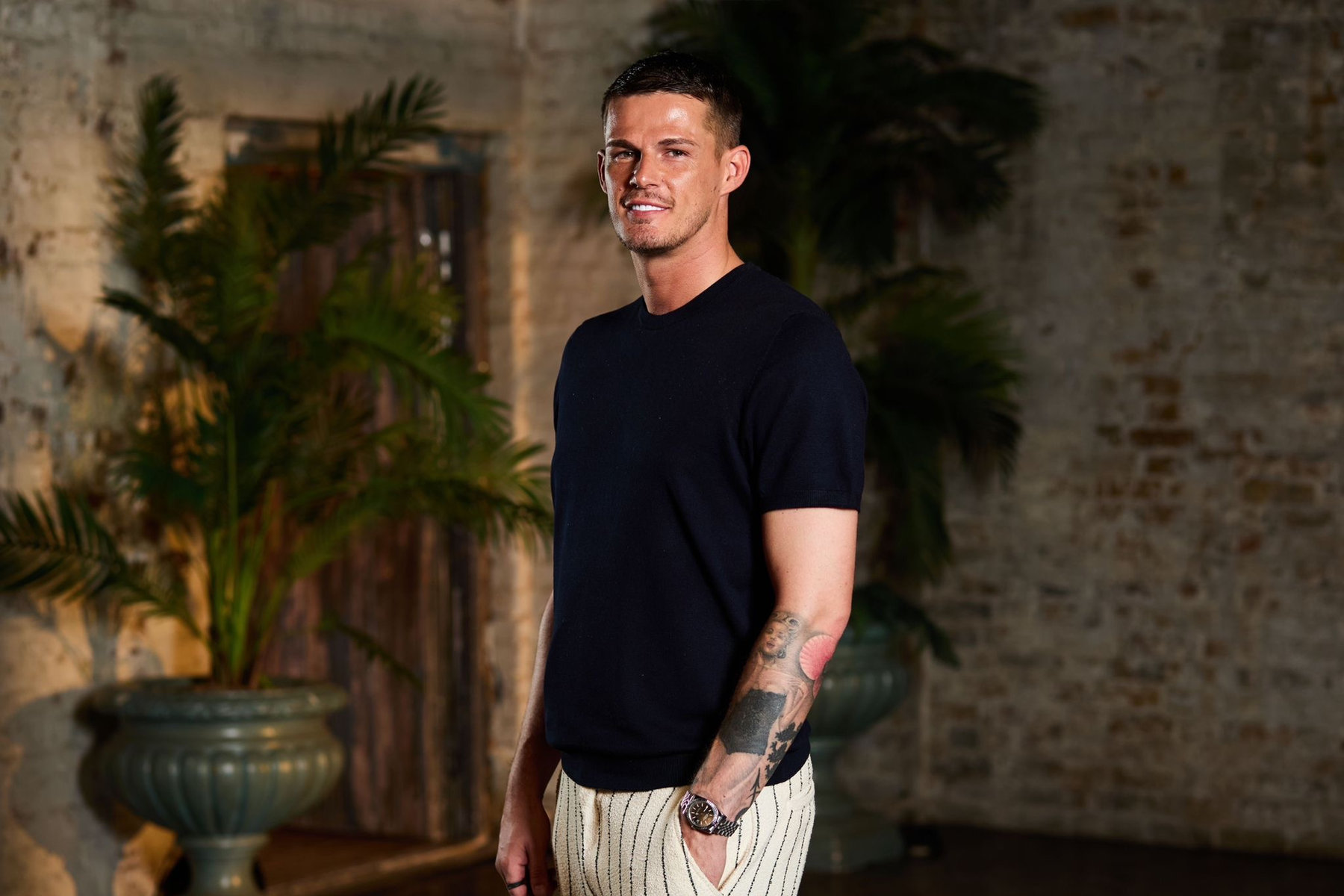
For Steven Springett, everything used to feel clear. Football gave him structure, confidence, a sense of who he was. Then that was taken away, and with it, the version of himself he understood best.
What followed wasn’t a clean comeback or a simple shift into something new. It was slower than that. Messier. Years of trying to rebuild confidence, learning how to deal with things he had spent a long time avoiding, and facing parts of himself that didn’t quite come back the same.
This conversation doesn’t try to tidy any of that up. It stays in the reality of it. The doubt that still lingers, the pressure of being judged in public, and the quiet moments that now carry more weight than anything else.
Before everything shifted, football wasn’t just a path, it was your identity. When that ended the way it did, what did you feel you lost in yourself?
All in all, my confidence was the main thing that left me. I was a very confident lad when it came to football, I’m not saying I was ever a standout whenever I played, but I definitely knew what I could bring to a team. So, once that attack took the confidence away, it felt like I had lost that ‘Steven spark’.
I used to say post attack that I felt like an entirely different person to who I was before. Some things better and some definitely worse.
There’s a difference between moving on and actually processing something. Be honest, how long did it take before you felt like yourself again, if you ever fully did?
It took me about 3/4 years to get back to a version of myself from before the attack. My football (albeit much lower) was back to where it was, I was scoring, captaining a club I’d spent a couple of years at and felt really good within myself.
Naturally, other elements of me haven’t recovered, even still now. I’d still doubt myself even if I don’t show it. I try not to be as critical of myself now because I know the negative effects in can have on your mind - but, when it comes to love/ relationships, doubt creeps in to my mind on ‘what does she see in me?’
You speak about mental health now in a way a lot of men still struggle to. What changed in you that made you stop carrying things silently?
The show helped, but EMDR therapy enabled me to fully open up more. I’d pushed any form of therapy away before, but once I just accepted something needed to change I jumped at it & honestly, the best thing that I could’ve done.
Don’t get me wrong; I do at times still need to live in the moment and react to that moment but I’ve learnt that coping differently and dealing with trauma are two different things.
The reason why I believe a lot of men don’t talk openly and honestly is because they feel it takes away their pride, their ego (which we all have) and their overall sense of being a ‘man’. We need to regulate emotionally as well and we can only do that by talking and opening up.
There’s a version of strength you’re taught in sport, keep going, don’t show weakness. At what point did you realise that version of strength wasn’t enough anymore?
It’s a hard one to answer really. Because I still think my mindset has been and will always be strong. I dealt with a lot of criticism during the show - enough that could break someone, but I’ve always been resilient and strong to handle pressures. I never feel stressed, I never seem to worry and have carried a ‘what will be will be’ mantra since the attack.
Of course, that resilience has been tested on a number of occasions, and that’s where I have to accept certain things but most of that came from the show.
Then you step into Married At First Sight UK, where everything is exposed and nothing is fully in your control. What did that experience feel like when the cameras weren’t there?
If we’re talking post show when the cameras weren’t there it did initially feel odd not having a roll call, being mic’d up and not having welfare knock on your door throughout the day. But, I went back to working life two days after I left the experiment - because I needed that normality back straight away.
But during the show, when the cameras were off was a strange on, because every single one of us got on behind the scenes. We’d always be out and have a laugh despite what had happened on camera.
There wasn’t any bad blood between anyone, and if there was well there are a lot of people that can hide things. But, even the last commitment ceremony where I left, I was back in the apartment with Ashley, April & Nelly dancing and messing about - yet the cameras would show that Nelly & I didn’t get on following that commitment ceremony.
Watching it back, did you see yourself clearly, or did it feel like you were looking at a version of you shaped by the situation?
I have to say here, I didn’t watch many back. My episodes I skipped a lot because I saw most of it on socials like TikTok, X and Instagram where it was just pure disgust and shooting me down.
Obviously, I wasn’t the greatest version of myself on that show, but I knew that after leaving the experiment. I told people that knew I was on the show that I wouldn’t come across in a good way come the end of it and I’m sure some of them must’ve thought ‘can’t be that bad?’.
But, people need to understand many factors contributed to how I was feeling which were addressed on camera, but just not used.
Step Dad being in hospital for a week prior to my knowledge.
FaceTime with kids saying they miss me as well as me missing them too and knowing the kids Mum was burning out and needed a break herself. Nelly & I just weren’t compatible, we had zero emotional connection and the physical side wasn’t there either and I think we both masked that. We did have moments where things went very well and then okay but overall, she as well as I knew it wouldn’t work nor last soon after the experiment.
There were moments that people judged quickly. Do you think those reactions say more about you, or about how little people understand what pressure can do to someone?
I fully get people’s reactions to moments soon, but again you don’t know or see the whole picture. But that’s TV right? It’s made for entertainment purposes and viewership & I believe our series brought eyes to TV and bums to sofas.
I’d say the biggest factor to people struggling was the early roll calls and long days filming. I had to film my back story during filming so less days off than others, 14 hour dinner parties and commitment ceremonies back to back and a whole lot of VOX to do which is draining mentally once you leave and it and have downtime.
Your partners would ask what you said in a VOX so they had a heads up and it’s like ‘let me just relax for 5-10 minutes’ first.
Away from all of that, you’re a father first. How has your son changed the way you measure yourself, not as a public figure, but as a man?
I wouldn’t even just say my son, my daughter first changed my mindset on how to be, how to be present and how you can love in different ways. The moments you hold your child for the first time, or when they say Dad for the first time is honestly the single greatest feeling.
With my son it’s very different, because of his conditions - I’m having to try accept that my son may never know or even call me Dad in a way where he knows what that means. Like he can say it but I don’t think he associates the word with me being his parent. But, I look at him and can’t help but smile because no matter how he sees the world, he is the happiest kid and so affectionate and when he just comes to you and holds your hand or sits next to you that’s him showing me his version of being there for me.
Your work with children and charities feels personal, not performative. What responsibility do you feel now that you have a voice people are listening to?
It’s a hard one really, because of how my edit went people assume that I’m just doing to ‘save face’ when in reality I want to help as many parents as possible when it comes to children with different needs and learning difficulties. For them to know that they’re not alone and help and support is there when you need it.
Spreading awareness of something that has no science behind why some kids are the way that they are needs to happen more. It affects the kids mental health and parents if support isn’t available and I don’t want people to be singled out for being ‘different’ in schools and feeling isolated too.
You’re standing at a point where you could go in a lot of different directions, television, your career, your personal life. What does a life that actually means something to you look like from here?
Life for me and how I’d like it to go is making an impact (positively) in people lives. Podcasts for mental health in men, talking sport with ex pros/ coaches on how they dealt with stepping away from the game and how their lives changed once the boots were hung up.
My personal life, of course spending time with my loved ones and ones that hold the highest value in my life, and continuing to put a smile on their faces and show them love that they’ve not had before.
What comes through with Steven is not someone trying to convince you he’s moved past everything. He hasn’t. And he’s honest about that. The confidence that once came naturally now has to be worked at. The self belief is there, but it is different. More considered, sometimes more fragile.
There’s a clear shift in what matters to him. Being a father sits at the centre of it all, and it’s changed how he sees himself completely. The expectations he once placed on himself have softened, replaced by something more grounded in presence and responsibility.
He also speaks with clarity about mental health, particularly for men. Not from a place of theory, but from experience. Letting go of ego, accepting help, and understanding that coping is not the same as actually dealing with something.
If there is a direction from here, it is not about proving people wrong or chasing a version of success others expect. It is about impact. Being useful to people. Showing up properly for the ones closest to him.
Not a finished story. Just someone learning how to carry what’s happened and still move forward.
Continue Reading
More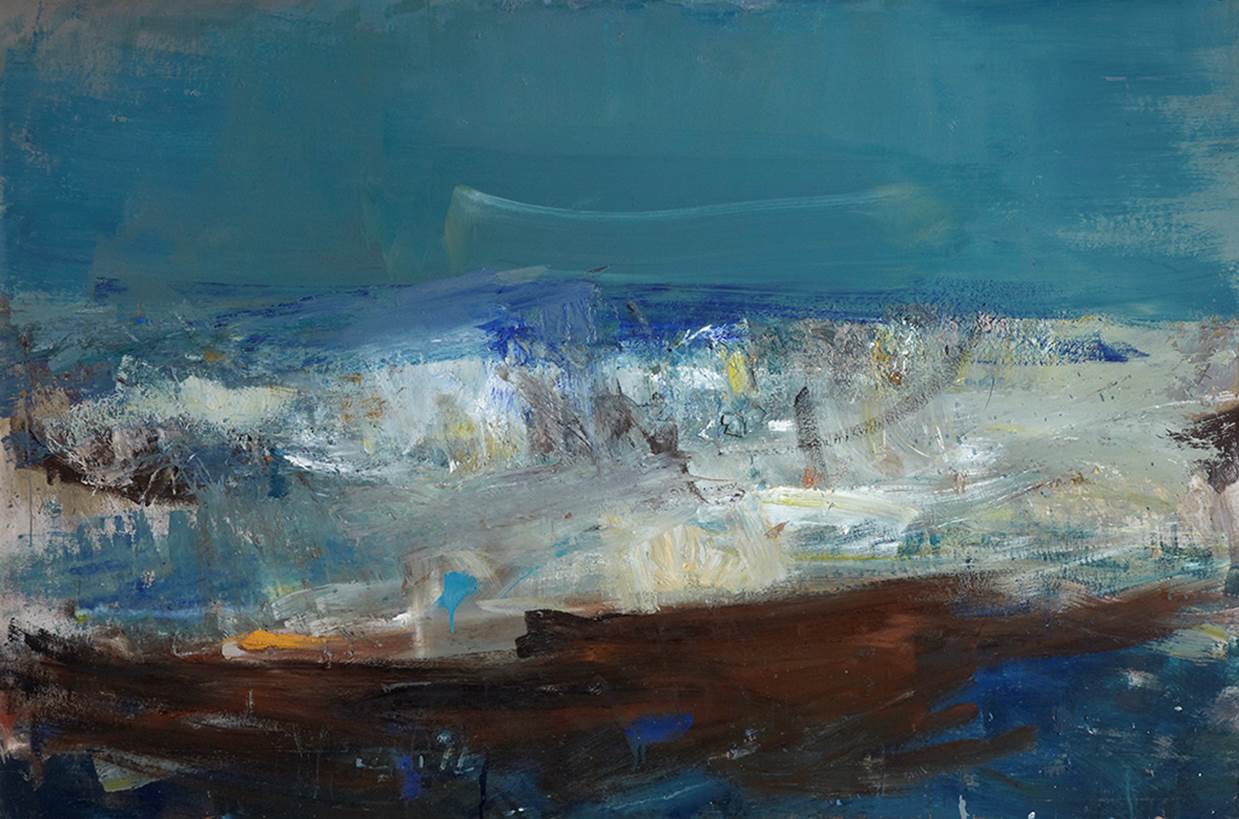
Joan Eardley’s North Sea Paintings Still Feel Wild Enough To Blow You Over
Heidi Normanton on Building HeyLO!, Rejecting Diet Culture and Bringing Joy Back to Bread
Mat Collishaw’s Death Row Paintings Turn America’s Final Meals Into Modern Vanitas
Constable’s Suffolk Returns Home As The Hay Wain Travels East

Stories worth your
weekend.
A handpicked dispatch from Hinton's editors. The long reads, the people, the openings, the things worth knowing. No filler.