The House That Pulls You Out Of The City: On the Volga, five roofs, open space and a slower way of living take
Discover the House on the Volga that transforms city living. Experience the Volga's tranquility with open spaces and a slower pace of life.
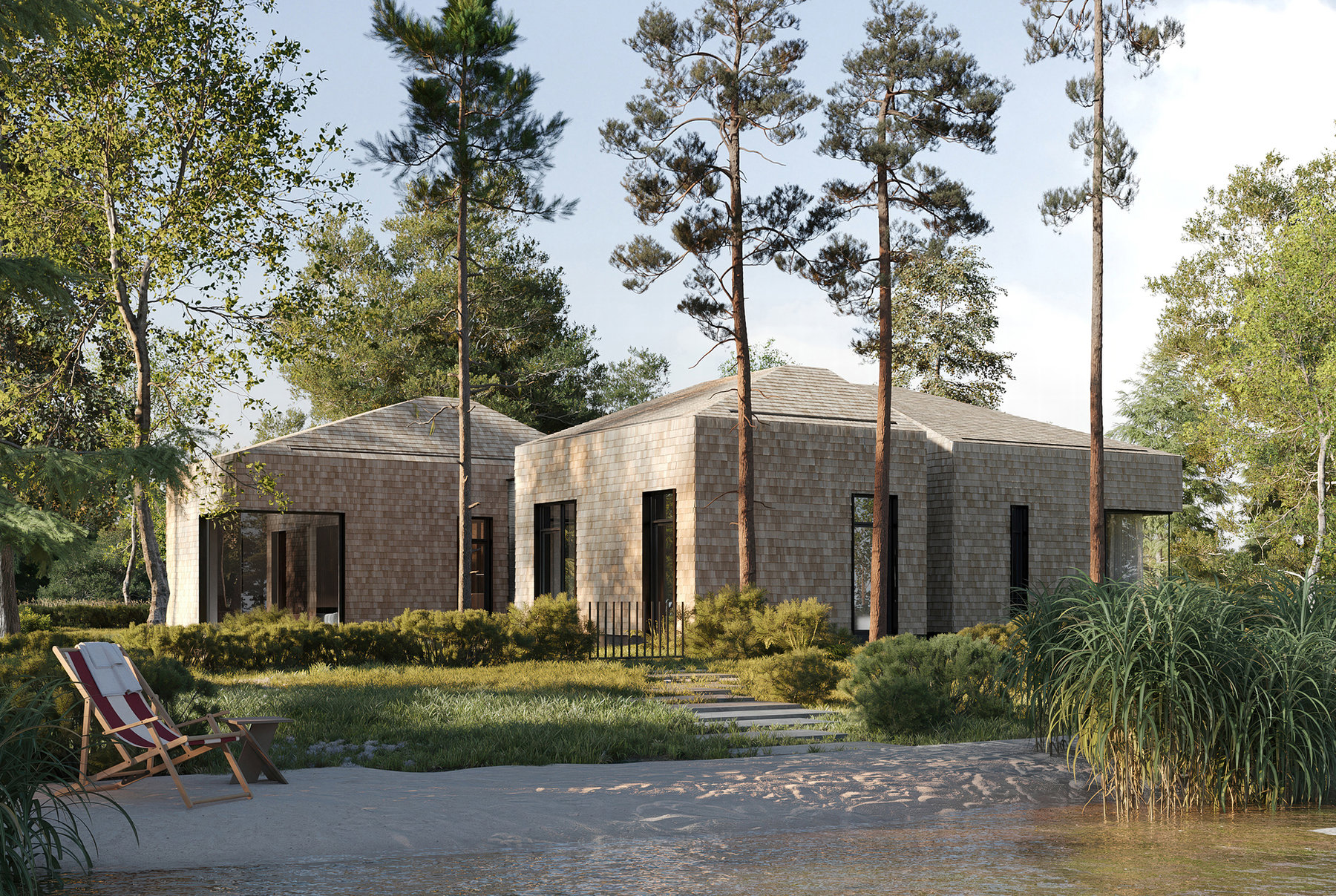
Most homes are designed around constraints. Space, structure, regulations, what you can change and what you can’t. This one begins from the opposite place.
Set along the edge of the Volga in the Tver Region, the House of Five Roofs is being developed by Alexander Tischler LLC, led by creative director Karen Karapetian. It is still in the design stage, with completion expected in 2029, but the thinking behind it is already clear. This is not a house built to fit into everyday routines. It is designed to change them.
The clients came into the process looking for something specific, even if they did not define it in architectural terms. They wanted to stay connected to Moscow for work, but they also wanted distance from it. Not just geographically, but mentally. Somewhere quieter, closer to water, somewhere that felt like a shift in pace rather than an extension of the same life.
They found that in a plot that sits between the river and a small inlet, tucked at the end of a quiet road. It is the kind of location that does not need much explaining once you are there. The water frames it. The stillness does the rest.
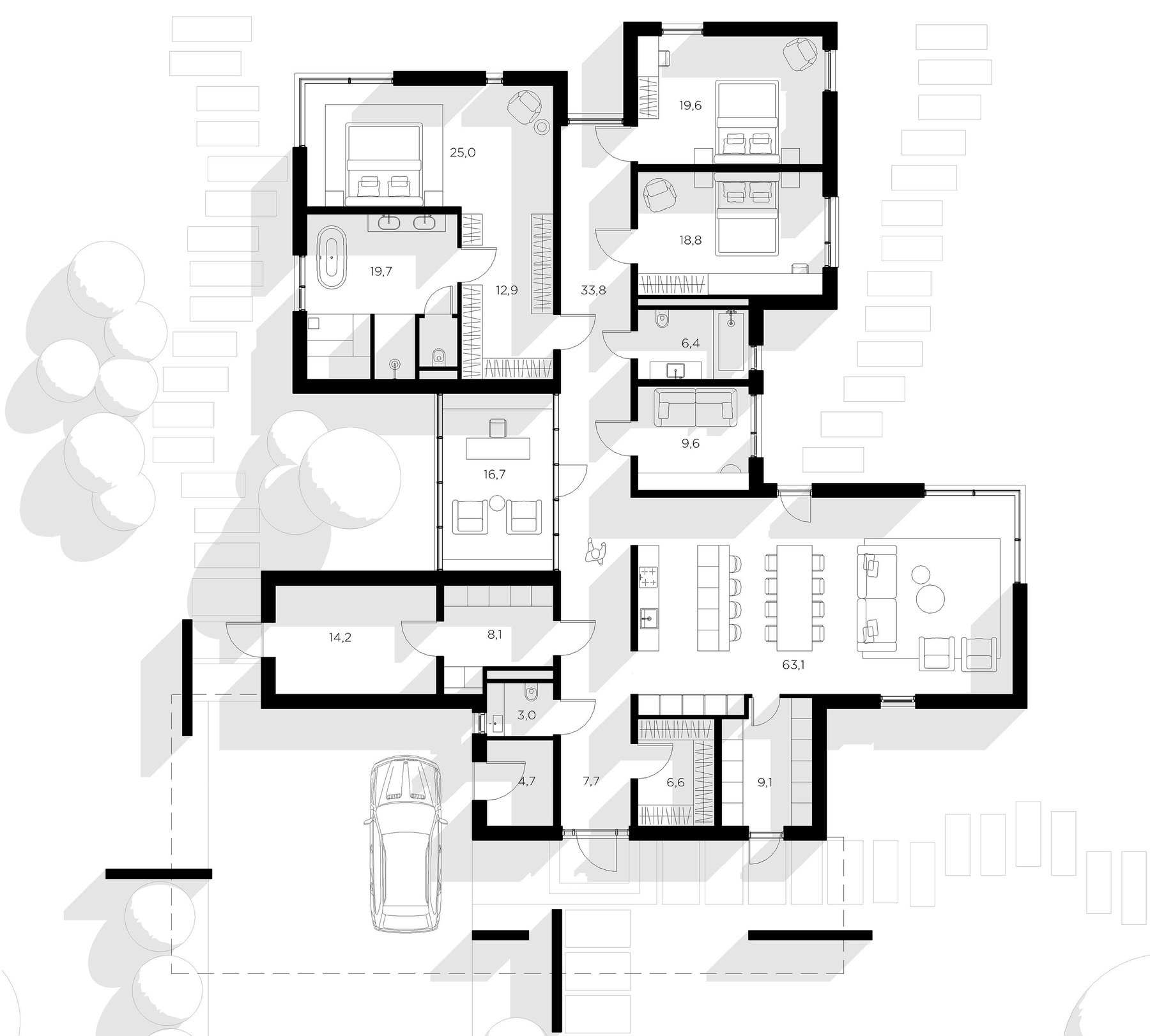
The structure of the house builds out from that setting. Three tall volumes form the core of the living spaces, each one carrying a different part of daily life. One holds the kitchen and main living area, another the master bedroom, and the third the children’s rooms. They are connected by a long hallway that moves you through the house in a way that feels deliberate rather than purely functional.
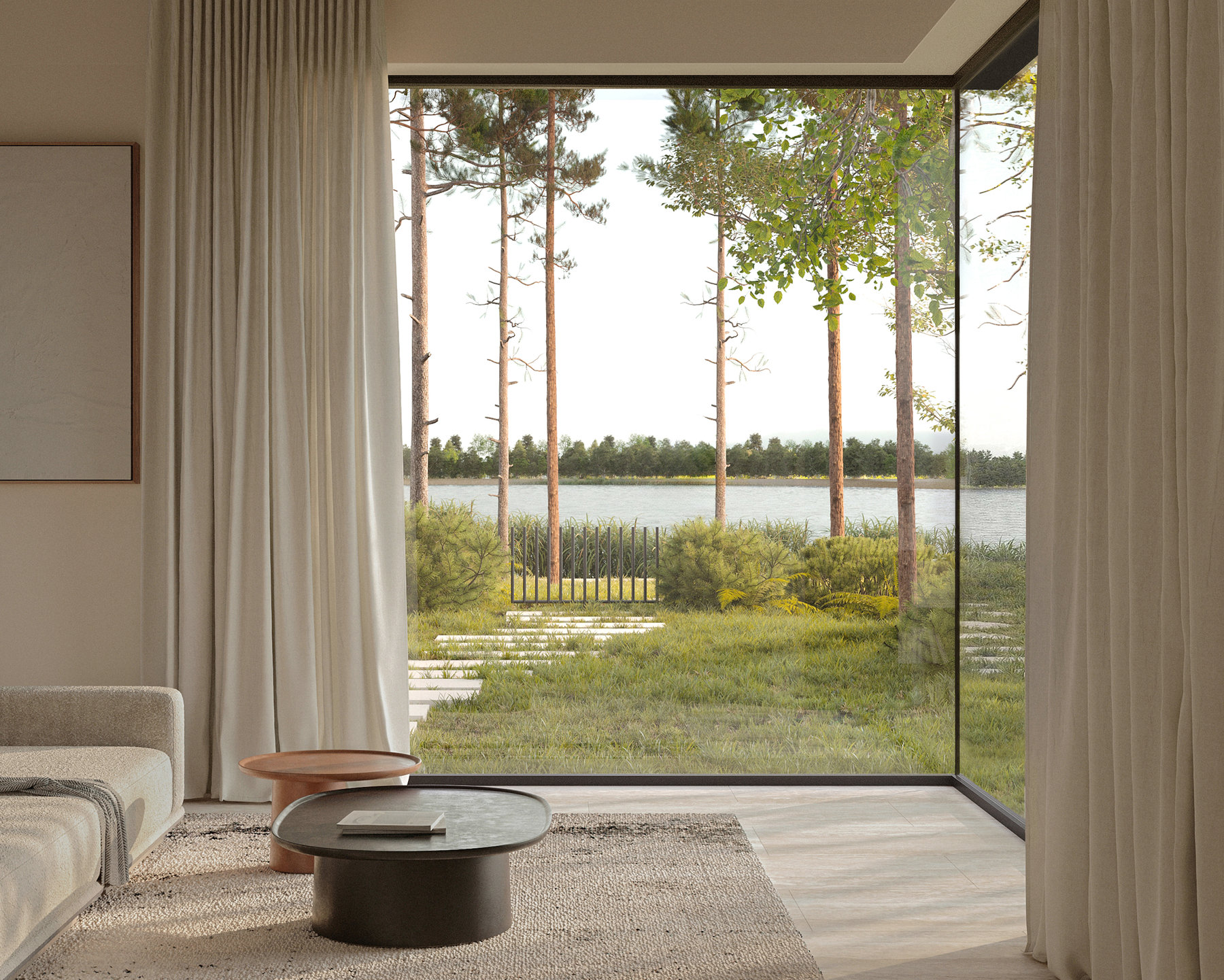
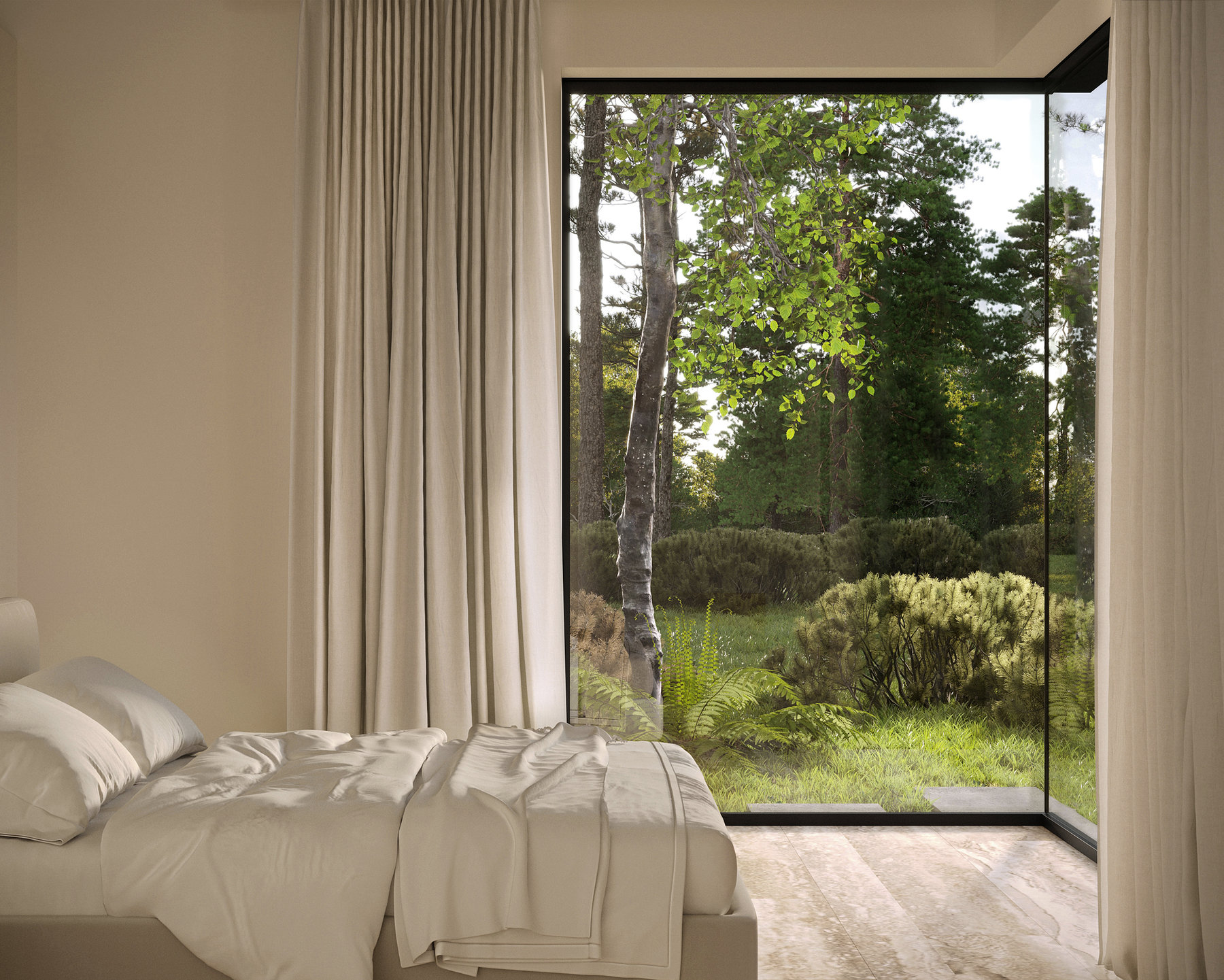
What stands out is how each space is positioned to face something outside. A stretch of water, a section of garden, a changing line of light. No two windows feel the same, which gives the house a sense of movement without anything physically shifting. You are constantly aware of where you are in relation to the landscape.
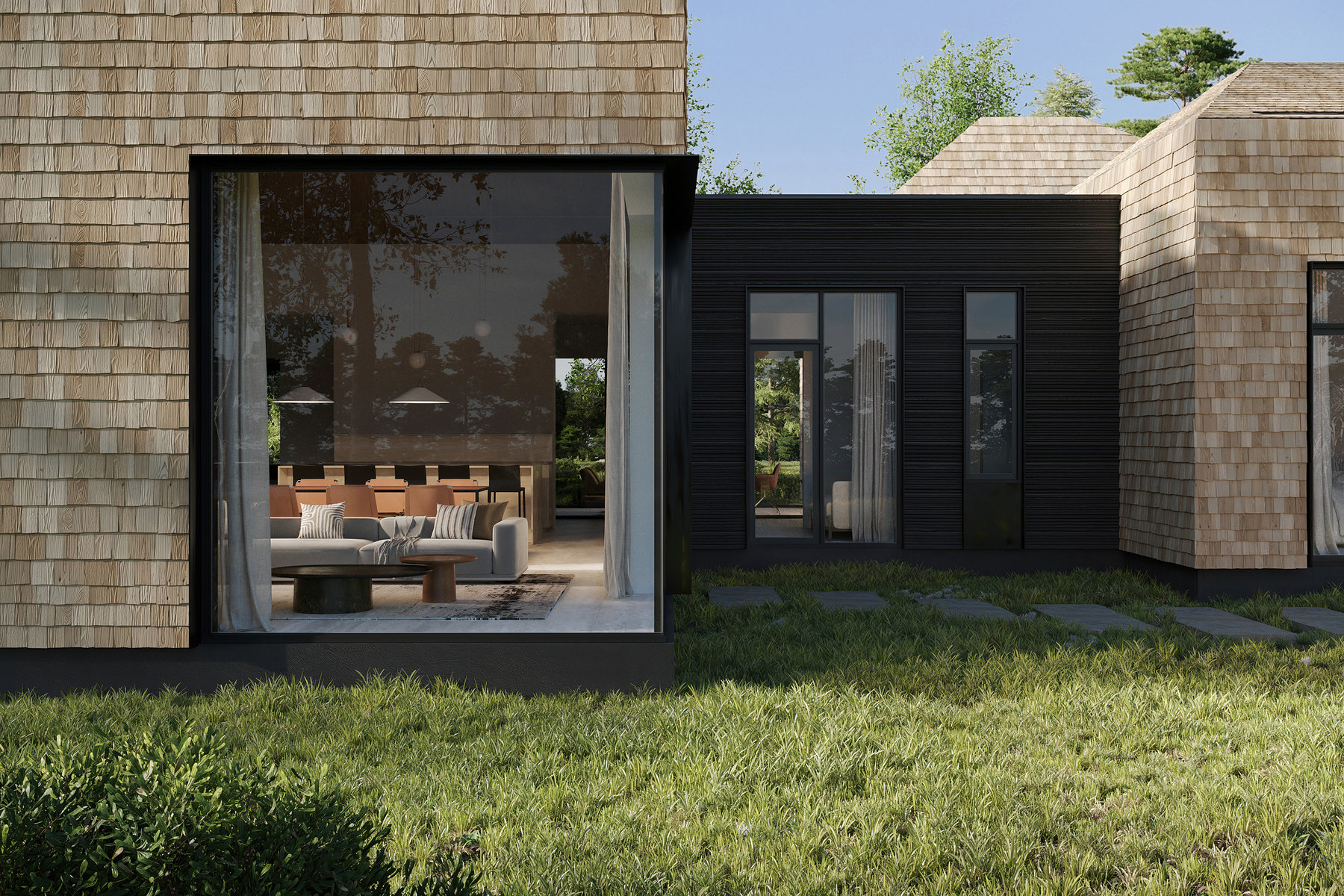
That relationship is felt immediately on entering. From the outside, the house presents a darker, more closed façade to the road, almost protective in its tone. Step inside, and it opens completely. Light moves through the space from multiple directions, the ceiling height expands, and the view pulls you forward towards the water. It creates a contrast that feels intentional. Private from the outside, open from within.
The main living area is designed without interruption, flowing directly from the hallway into the kitchen and social space. It is the kind of layout that encourages people to gather without forcing it. Doors are kept to a minimum, sightlines are extended, and movement between inside and outside feels natural rather than planned. Even the study, enclosed in glass, becomes part of that openness rather than breaking it.
There is a noticeable sense of calm in how the private spaces are handled. Bedrooms are set further back, away from the entrance and neighbouring views, giving them a degree of separation that feels necessary. It is a house that understands the difference between shared space and personal space without making it feel rigid.
Light plays a central role throughout. Because the house faces north towards the river, skylights have been introduced to draw sunlight into the deeper parts of the interior. During the day, they soften the space. At night, they open it upwards. Away from the brightness of the city, the sky becomes part of the house in a way that most urban homes never experience.
The exterior carries its own kind of quiet character. Larch shingles wrap both the roof and the façade, giving the house a textured, almost tactile surface that will change over time. As the material weathers, it will shift towards a softer grey, blending more closely with its surroundings. There is something fitting about that. A house that does not try to stay fixed, but evolves with the landscape around it.
From the water, the structure reads differently again. The clustered rooflines echo something close to a small fishing settlement, a detail the clients connected with immediately. It is not literal, but it feels familiar, as if the house belongs to the setting rather than being placed onto it.
What makes this project feel grounded is that it is not trying to impress through scale or statement. It is built around a quieter idea. That architecture can shape how you live, not just where you live. That space, light and setting can change the rhythm of a day in ways that are difficult to replicate in a city.
For the team at Alexander Tischler, that idea runs through both the architecture and the interior. Everything is considered together, from structure to detail, so the experience feels consistent rather than assembled in parts.
In the end, this is not just a house by the water. It is a decision about how life is lived around it.
Continue Reading
More Art & Design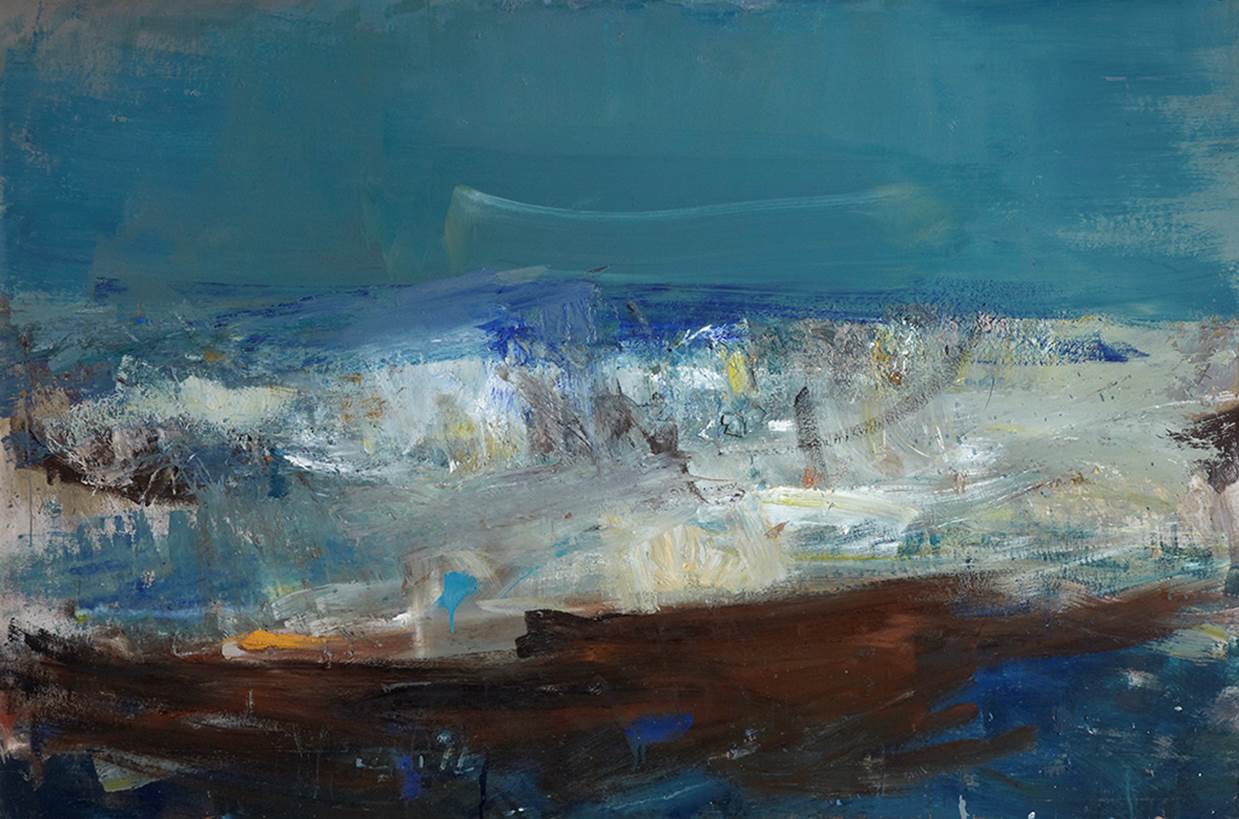
Joan Eardley’s North Sea Paintings Still Feel Wild Enough To Blow You Over
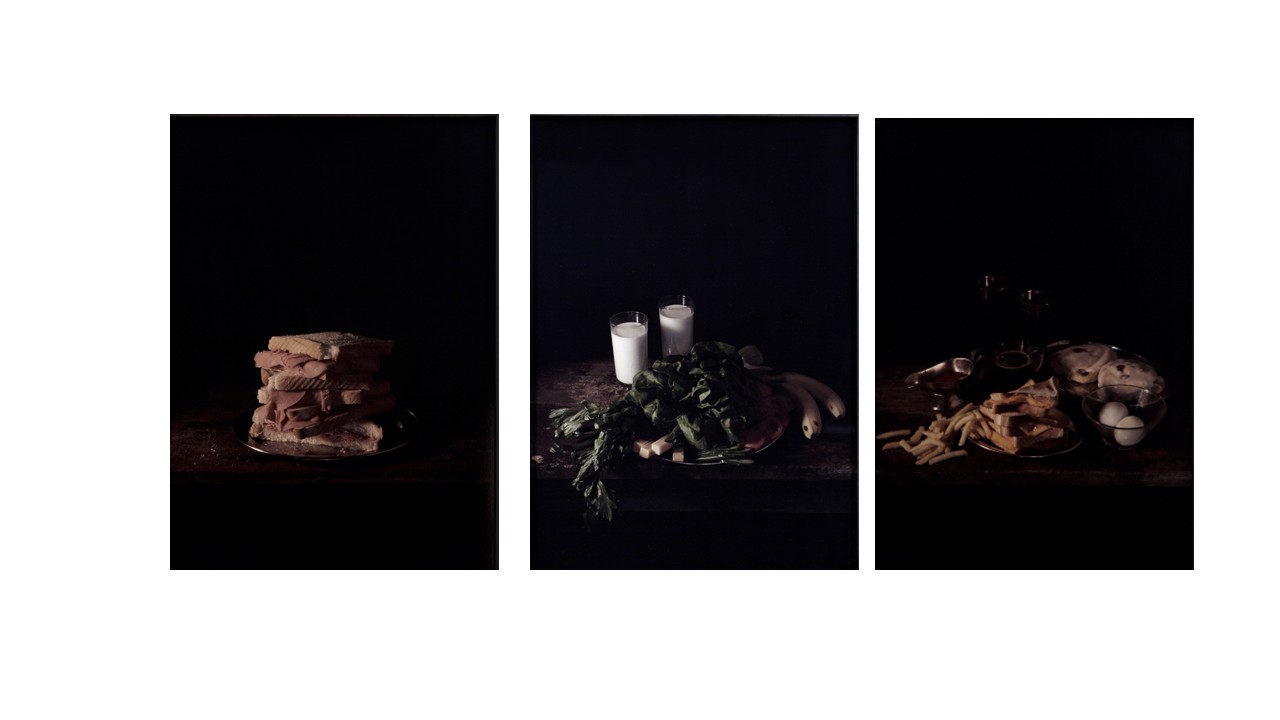
Mat Collishaw’s Death Row Paintings Turn America’s Final Meals Into Modern Vanitas
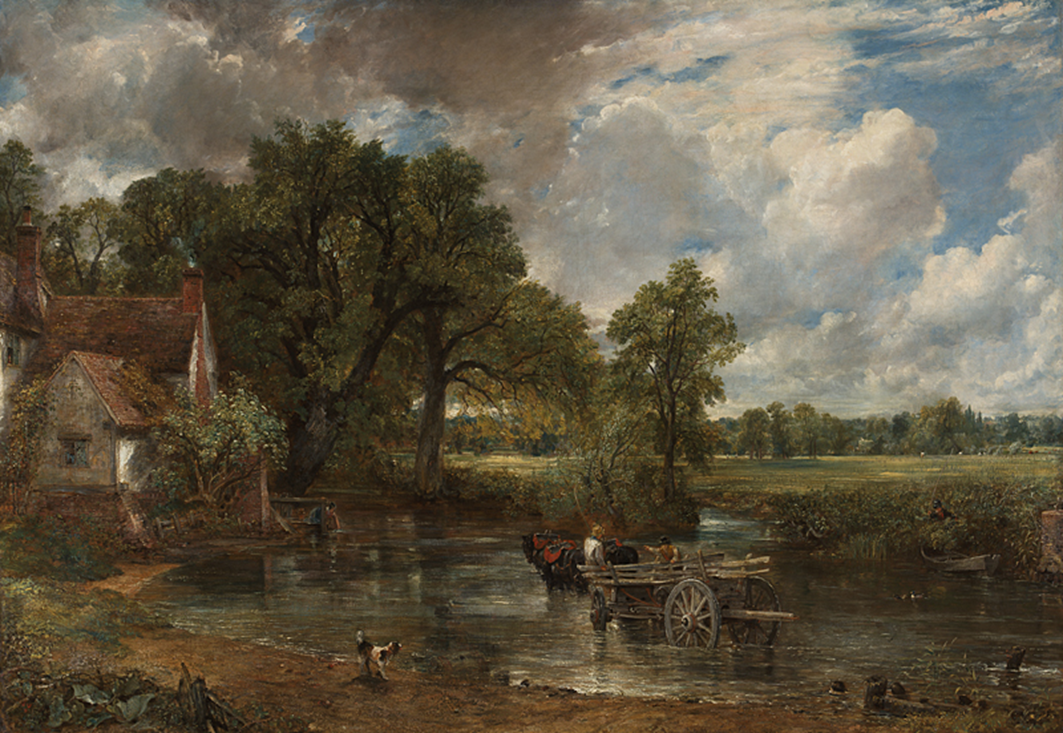
Constable’s Suffolk Returns Home As The Hay Wain Travels East
Why Art Basel Is Turning To Trees In Search Of Calm

Stories worth your
weekend.
A handpicked dispatch from Hinton's editors. The long reads, the people, the openings, the things worth knowing. No filler.