_edited.jpg)
Fragrance Becomes the Industry to Watch as National Fragrance Week Opens with “The Future of Fragrance” Panel
- Hinton Magazine

- Mar 18
- 3 min read
At the opening of National Fragrance Week 2026 in London, one message came through with clarity: fragrance is no longer a finishing touch. It is becoming one of the most influential cultural forces within the global beauty industry.
The “Future of Fragrance” panel, held on Wednesday 18 March, brought together voices from Harrods, Stylus and Google Cloud to explore how scent is evolving across retail, technology and consumer behaviour. What emerged was not a prediction of incremental change, but a picture of rapid transformation.

Fragrance is shifting from product to language. Increasingly, consumers are not choosing scent based on how it smells alone, but how it makes them feel. Wellbeing, emotion and connection are now central to the category, with scent acting as a personal extension of identity rather than a final accessory.
This shift is being driven largely by younger consumers. Gen Z is now the fastest growing force in fragrance, reshaping how brands think about positioning, storytelling and access. Discovery is overwhelmingly digital, with around 70 percent of new fragrance discovery happening online and as much as half of Gen Z and Gen Alpha consumers finding their scents through platforms such as TikTok and Instagram.
Yet what defines this generation is not just how they discover fragrance, but why they buy it. Nostalgia is playing a powerful role, with a significant proportion of Gen Z gravitating towards traditionally classic scent profiles once associated with older generations. These choices are less about trend and more about emotional resonance, tapping into memory, comfort and familiarity.
At the same time, traditional ideas of gender in fragrance are being redefined. Consumers are moving away from rigid masculine and feminine categories, with growing demand for unisex compositions and a renewed appreciation for notes such as rose across all audiences. Notably, there remains a gap in how younger male consumers are engaged, suggesting an area of opportunity for brands willing to rethink their approach.
The conversation also highlighted a major shift in what luxury means within fragrance. Over the next five to ten years, price point alone will no longer define prestige. Instead, value will be found in rarity, craftsmanship and quality, alongside a deeper connection to the brand’s story and process. Consumers increasingly want to understand what sits behind a scent, from ingredient sourcing to formulation.
Technology will play a critical role in this evolution, but not as a replacement for creativity. Artificial intelligence is expected to expand reach, enhance discovery and support personalisation, while the role of the perfumer remains central. The future will require brands to balance artisanal craft with technological capability, navigating both with clarity and purpose.
Bespoke fragrance, currently positioned at the top end of the market, is also expected to become more accessible over time. As consumer expectations evolve, personalisation will shift from niche luxury to a more mainstream offering, reflecting a broader demand for individuality within a shared cultural space.
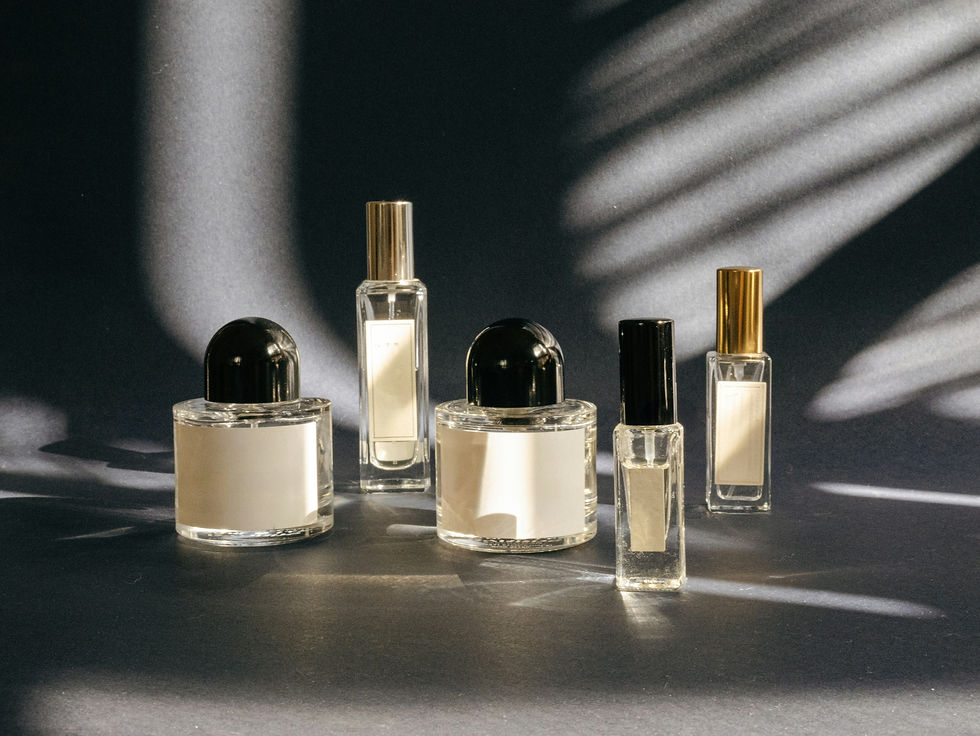
Equally important is how fragrance is experienced. Pop-ups, immersive environments and physical storytelling are becoming essential tools for brands, allowing consumers to engage with scent beyond the bottle. These experiences are no longer optional, but central to how modern audiences connect with fragrance on a deeper level.
Across the discussion, one idea continued to surface: consumers want to become experts. They are more informed, more curious and more engaged than ever before, seeking transparency around ingredients, sustainability and innovation. This includes growing interest in natural formulations, biotech developments and the broader impact of fragrance production.
Confidence and emotional uplift also remain key drivers. Fragrance is increasingly linked to how people present themselves and how they move through the world, reinforcing its position as a daily touchpoint rather than an occasional indulgence.
As the panel concluded, the sentiment was clear. Fragrance is entering a new phase, one defined by cultural relevance, emotional depth and technological evolution. In many ways, it is beginning to operate with the same influence as fashion, shaping identity, community and expression on a global scale.
For London, and for the UK more broadly, this moment signals something bigger. The industry is not only growing, it is repositioning itself at the centre of modern culture.


Comments