From Earth to Elegance How Vickie Riggs Turns Landscapes into Modern Heirlooms
Discover how Vickie Riggs transforms landscapes into modern heirlooms. Explore Vickie Riggs' unique jewelry designs inspired by nature.
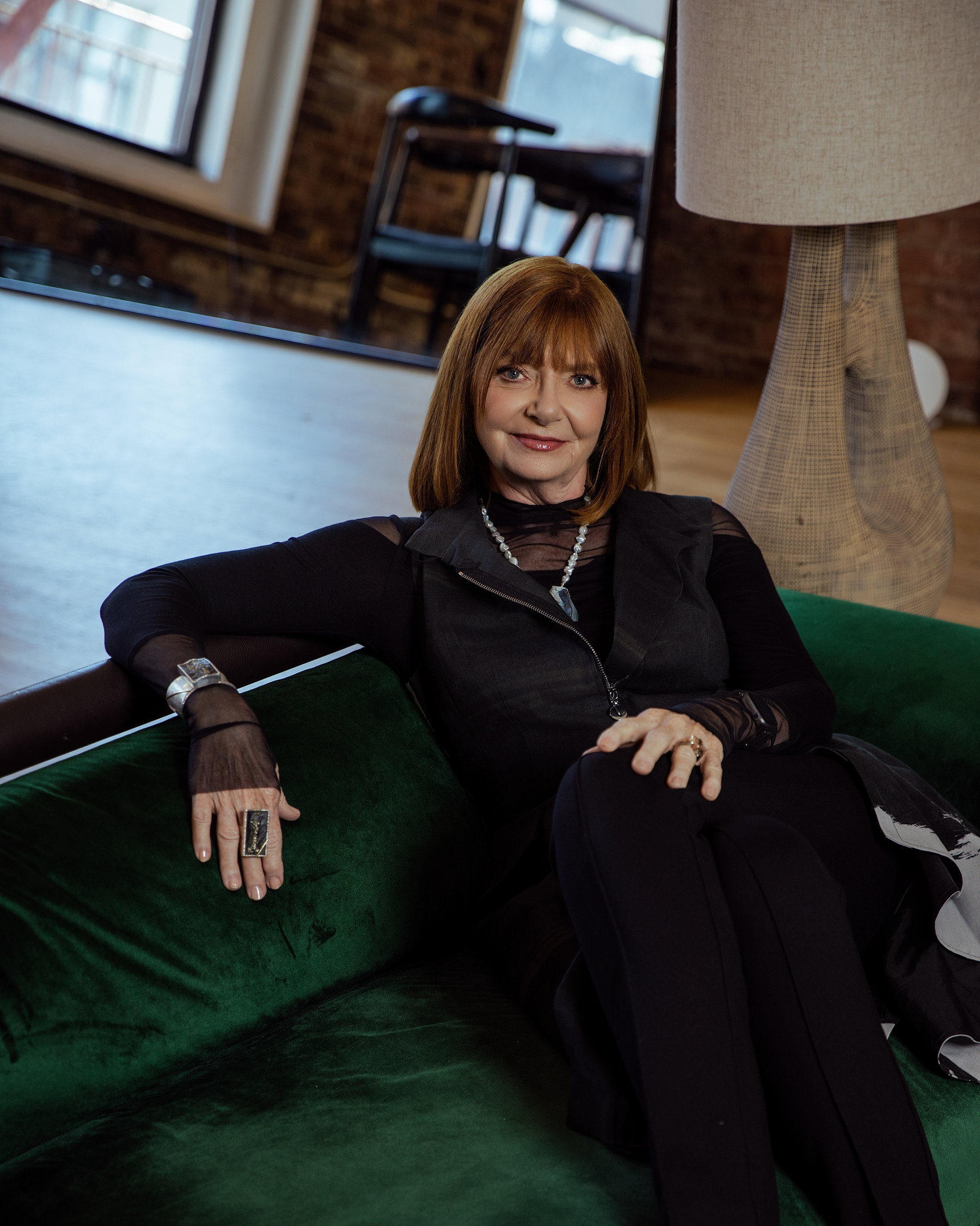
This week marks the beginning of our new four-part interview series with jewellery designer Vickie Riggs, a creator whose work bridges the raw beauty of the natural world with the refinement of fine craftsmanship. For Riggs, every design begins not in the studio but in the soil. Her artistry draws from the landscapes of her childhood, from Kansas wheat fields to the distant rise of the Rocky Mountains, transforming those memories into pieces that feel both timeless and deeply personal. In this opening conversation for Hinton Magazine , she shares how nature continues to shape her creative vision and how she captures its quiet poetry in metal and stone.
You grew up surrounded by wide-open landscapes and National Parks. When you sit down at the bench today, how do those memories come alive in the pieces you design?
I grew up in close conversation with the land. My father was a farmer, so my days were spent touching the soil, walking through fields of wheat and milo, and delighting in the friskiness of newborn calves. That kind of intimacy with the earth teaches you to notice, to feel texture, trace lines, and recognize quiet shifts in color and light.
At the bench, I approach materials the same way. I study each stone and metal surface up close, their grain, inclusions, and subtle tones and let the design arise from what I discover. I encourage collectors to do the same: turn the piece in your hand, watch how it changes in different light, look closely at the details. There’s an entire world of beauty inside nature’s elements, and my work is designed to invite that kind of exploration.
Do you remember the first time nature truly stopped you in your tracks — the moment you knew you wanted to capture it forever in your work?
Yes. Driving west from the flat plains of Kansas toward the Rocky Mountains, I watched the horizon slowly lift into a blue silhouette, the light shifting as the land began to fold into shadow and height. That threshold from prairie to peaks was breathtaking. It taught me about contrast, scale, and stillness.
I’ve been trying to hold that feeling in metal and stone ever since: horizon lines suggested by clean edges, topographic textures hammered into the surface, quiet palettes that echo dry grass and sky, and stones chosen for their raw character, matrix, fracture lines, and all. Each piece is a way to honor that moment when the landscape invites you to look closer and truly see.
A lot of people see jewelry as glamour, but your designs begin with raw earth. How do you balance the rugged origins of a stone with the elegance of a finished piece?
We’re all a study in contrasts, aren’t we? I love that tension, the untamed and the refined in conversation. My work begins by honoring a stone’s natural character: the irregular textures, inclusions, and contours that speak to its geologic story. From there, I pair those honest, rugged qualities with precise craftsmanship and timeless materials.
I often set raw or minimally shaped stones in elegant, thoughtfully engineered settings, high-polish gold against matte textures, delicate pavé near rough edges, or clean architectural lines framing organic forms. The rarity of these materials elevates them, and they hold their own alongside the glitter of diamonds, the warmth of rich gold, and the saturated tones of traditional gemstones. The design leads, allowing each element to enhance the other, so the final piece feels both grounded and exquisitely finished.
If the Grand Canyon, Yosemite or the ocean could be worn as jewelry, how would you interpret them?
Flowing, organic lines would lead the design, movement and form distilled into something intimate and wearable. Each landscape would be translated through structure, texture, and light.
Grand Canyon: Layered striations, carved bands, and sculpted negative space to echo the canyon walls and terraces. A palette of warm, earthen tones, rust, ochre, and umber set in oxidized silver or brushed gold, with inlays and step-cut stones to suggest depth and time.
Yosemite: Monumental simplicity inspired by granite faces and soaring cliffs: bold, clean silhouettes with crisp planes and softened edges. A balance of satin and mirror finishes to capture light like water over stone, with cool neutrals and forest greens hinting at pines, sky, and waterfalls.
Ocean: Undulating forms, wave motifs, and kinetic details that evoke tide and current. Iridescent surfaces, mother-of-pearl, opals, enamel and a spectrum of blues and sea-glass greens. Fine lines and fluid curves would give the piece a sense of breath and motion, like water catching the light.
Across all three, the goal is the same: to translate vast, living landscapes into intimate objects, pieces that carry the feeling of place and invite you to look closer.
Are there particular textures, colours, or even scents in nature that consistently spark your creativity?
Texture is a constant in my work, especially the dialogue between mirror‑polished surfaces and deliberately textured areas. That interplay echoes the way light moves across the natural world, how it skims over water, sinks into sand, or glances off weathered stone.
I hadn’t consciously linked scent to design before, but textures and colours absolutely map to lived experiences: the grain of a sandy beach, the matte softness of worn rock, and the shifting blues of aquamarine that recall lakes and the ocean. One piece, “Summer Reflections,” was named for that connection a necklace of translucent aquamarine with layered blue tones that evoke a pond on a hot summer day. Nature continues to be the wellspring of my palette, surfaces, and forms.
Many of us pick up stones or shells as keepsakes from travels. How do you take that instinctive connection with nature and translate it into fine jewelry that people will treasure?
That instinct to gather and hold a piece of place sits at the heart of my process. I begin by honouring the material’s character: its contours, inclusions, and texture. From there, I elevate it through precise craftsmanship, balanced proportions, and thoughtful engineering for comfort and longevity.
I choose settings that frame rather than overpower, refining edges and finishes so the piece feels timeless in fine metals and, when appropriate, alongside diamonds or coloured gemstones. The goal is a wearable keepsake, one that preserves the memory of the landscape while becoming an heirloom that’s meant to be touched, lived with, and passed down.
When you look at one of your completed designs, do you see a jewel first — or do you still see the mountain, the desert, or the forest that inspired it?
I see the jewel; I feel the landscape. The finished piece presents itself in metal and stone, but the mountain’s quiet weight, the desert’s hush, and the forest’s breath still resonate through it. That’s how I experience most things in the world; the visible and the felt in constant conversation.
In the first part of our exclusive series, Vickie Riggs reflects on her lifelong connection to the land and how it continues to inspire her distinctive approach to fine jewellery. Her pieces carry the textures, tones and light of the natural world, blending rugged authenticity with graceful precision. Riggs invites us to see jewellery not just as decoration but as a living link to place and memory, a way of holding the landscape close. Her philosophy sets the tone for a series that explores creativity, craftsmanship and the intimate stories behind modern heirlooms.
Continue Reading
More In Conversation With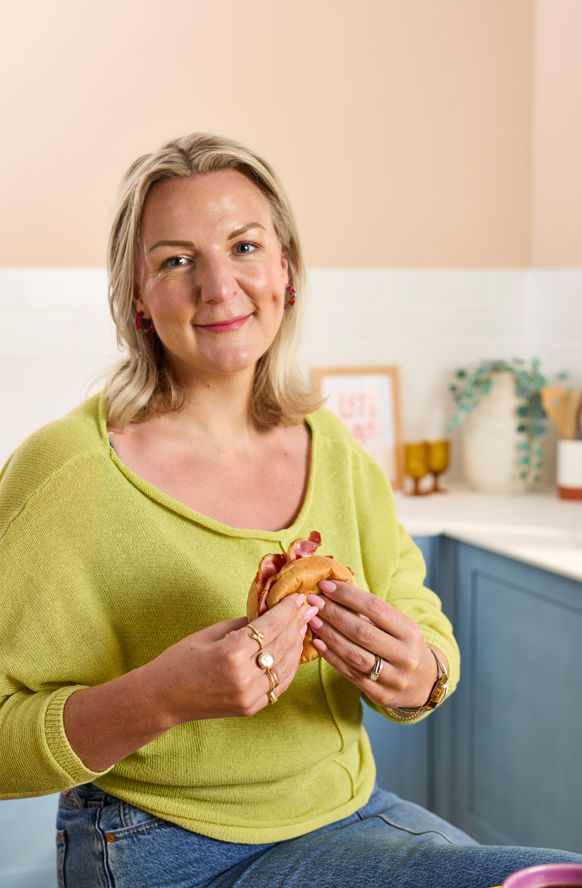
Heidi Normanton on Building HeyLO!, Rejecting Diet Culture and Bringing Joy Back to Bread
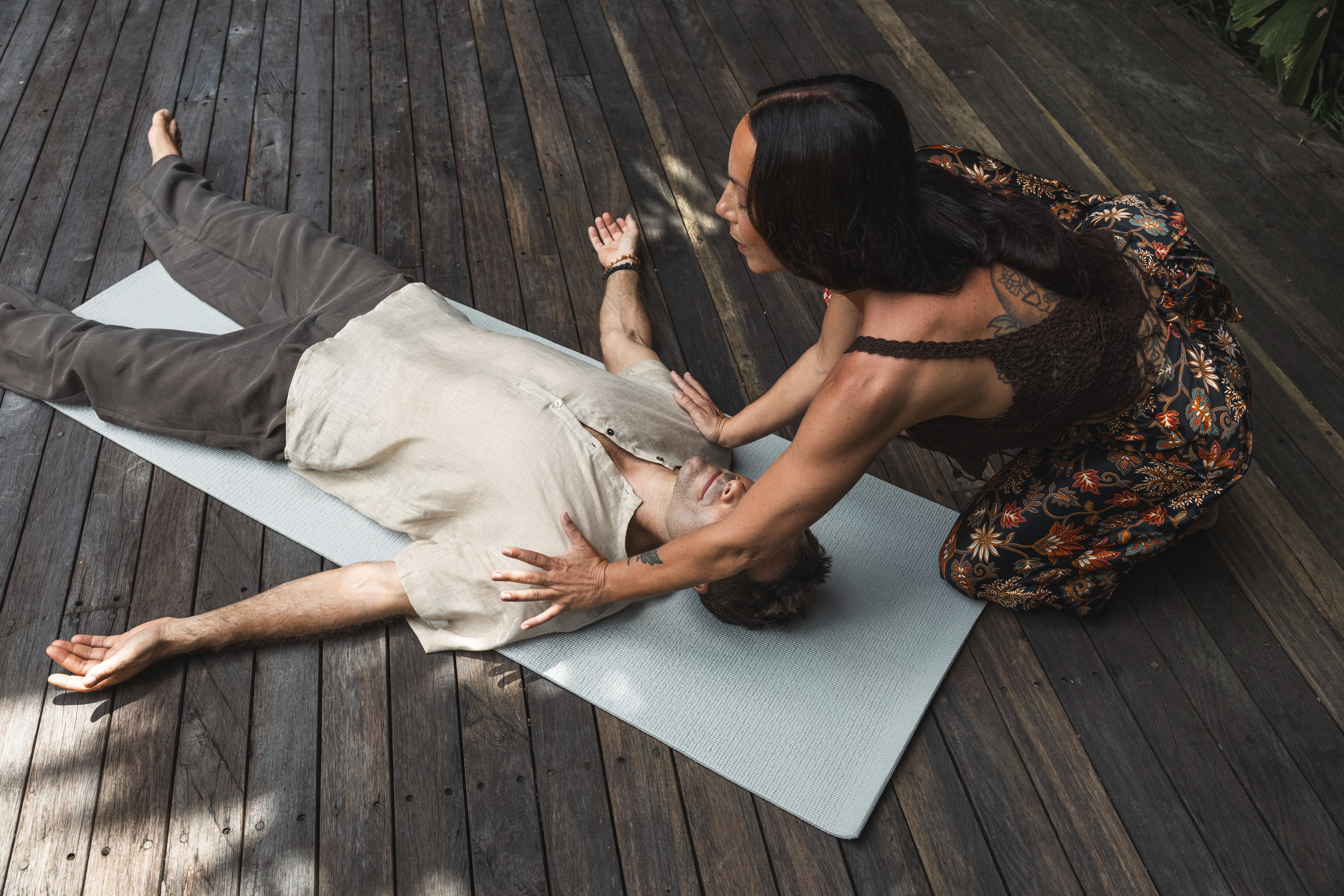
Hiyäm Jabak on Presence, Discipline, and the Luxury of Slowing Down

Dr. Sima on Reclaiming the Female Body and Why Silence Was Never Neutral

Dr. Sima on Why Intimate Wellness Is Beauty’s Most Overlooked Frontier

Stories worth your
weekend.
A handpicked dispatch from Hinton's editors. The long reads, the people, the openings, the things worth knowing. No filler.